



The evolution of casinos From ancient gaming halls to modern entertainment hubs
The Origins of Gambling
The history of gambling dates back thousands of years, with evidence of dice games and betting practices found in ancient civilizations such as Mesopotamia and China. These early forms of gambling were often tied to cultural and religious practices, serving as a way to predict outcomes or gain favor from the gods. As societies evolved, so did the complexity of their gaming activities, leading to the establishment of gaming halls in various cultures. Today, many enjoy pokies online real money for a thrilling experience in the gambling world.
In ancient Rome, for instance, public gaming houses became prominent, where citizens engaged in games of chance and skill. These early casinos laid the groundwork for the lavish establishments we see today. While these early gaming halls were often simple in design, they created a social atmosphere that allowed individuals to congregate, enjoy entertainment, and test their luck.
The Rise of Formal Casinos
The 17th century marked a significant turning point in the evolution of casinos with the establishment of formal gambling houses across Europe. The Venetian Casino, opened in 1638, is one of the most notable early examples. This institution transformed gambling into a more organized and regulated activity, attracting the elite and further popularizing the concept of casinos.
As the demand for gambling grew, other countries began to follow suit. France introduced its own casinos, where games such as roulette became iconic. The allure of these venues was not solely due to the games offered; they became luxurious destinations replete with dining, entertainment, and socializing opportunities, transforming gambling into a comprehensive leisure activity.
The American Casino Boom
The 20th century saw a dramatic shift in the casino landscape, particularly in the United States. The introduction of Las Vegas as a gambling hub in the 1940s and 50s represented a major evolution in casino culture. Las Vegas emerged as a symbol of glamour and excess, combining gaming with extravagant shows and accommodations. This set the stage for the development of modern casinos.
With the liberalization of gambling laws in various states, casinos began to spread across the country. The introduction of Native American casinos in the 1980s further diversified the gaming landscape, allowing tribes to establish their own venues. This expansion led to a new era of competition and innovation, resulting in increasingly sophisticated gaming environments that catered to a broader audience.
The Digital Transformation of Casinos
The advent of the internet has revolutionized the casino industry, giving rise to online gaming platforms that allow players to access their favorite games from anywhere in the world. Online casinos began to emerge in the late 1990s, and they have since exploded in popularity. This digital transformation has made gambling more accessible than ever, appealing to a diverse range of players.
Today, online casinos offer an extensive selection of games, from classic slots to live dealer experiences, all designed to create an immersive environment. Advanced technology has enhanced player experiences, enabling features such as mobile gaming, virtual reality, and live streaming. This shift has not only redefined what a casino is but has also changed how players interact with their favorite games.
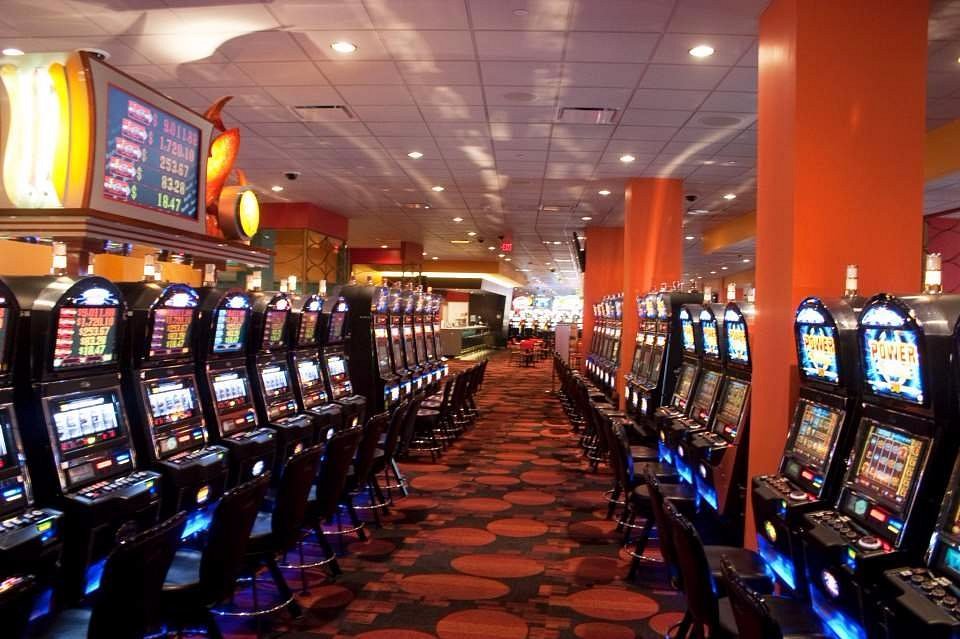
Modern Casinos: A Fusion of Gaming and Entertainment
Today’s casinos have evolved beyond mere gambling establishments. They are now multifaceted entertainment hubs that offer an array of activities, including fine dining, shopping, and live performances. This diversification allows casinos to cater to a wider audience, attracting both gamblers and non-gamblers alike.
With a focus on creating unique experiences, modern casinos often incorporate themes and concepts that appeal to various demographics. Luxurious resorts, comprehensive entertainment options, and high-end amenities contribute to a vibrant atmosphere where guests can indulge in both gaming and leisure. As the industry continues to innovate, casinos are poised to remain central to the entertainment landscape.
