



The Allure of High-Stakes Gambling
High-stakes casino players are often drawn to the thrill of risk and reward that comes with betting large sums of money. This allure is deeply rooted in psychological factors, including the excitement of gambling and the potential for significant financial gain. The adrenaline rush associated with placing large bets leads to heightened emotions, creating a compelling experience that can be both intoxicating and addictive. Many players even find that the best online casino options amplify their engagement due to the convenience and accessibility they provide.
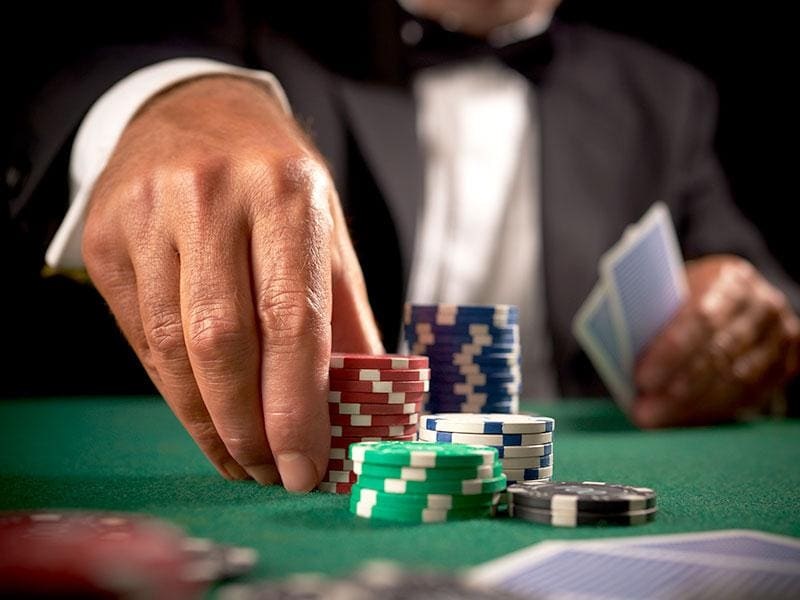
Moreover, the social environment of high-stakes gaming adds another layer to its appeal. Players find themselves in a dynamic setting surrounded by others who share their passion for the game, amplifying feelings of camaraderie and competition. This social aspect can lead to a shared identity among players, fostering a club-like atmosphere that reinforces their commitment to high-stakes gambling.
The Role of Risk and Reward in Decision Making
The psychology of high-stakes players is significantly influenced by their perceptions of risk and reward. Many high-stakes gamblers have a unique relationship with money; for them, the stakes represent not just financial investment but also personal identity and status. The risk can be viewed as a challenge, where each bet becomes an opportunity to test one’s skills, instincts, and luck against the odds.
This decision-making process is often driven by cognitive biases, including the illusion of control, where players believe they can influence the outcome of games based on their actions. This belief often leads to overconfidence, prompting high-stakes players to engage in betting patterns that may not align with logical probability, further embedding them in the cycle of high-stakes gambling.
Addiction and Compulsion in High-Stakes Gambling
The seductive nature of high-stakes gambling can lead to compulsive behaviors, creating a fine line between enjoyment and addiction. Many players become so engrossed in the experience that they may overlook the negative consequences of their actions, such as financial ruin or strained relationships. The thrill of the game can trigger dopamine releases in the brain, similar to substance abuse, reinforcing the desire to continue gambling despite adverse outcomes.
Understanding the signs of gambling addiction is crucial, especially for high-stakes players who may rationalize their behavior by focusing on the potential for big wins or the excitement of the next game. Interventions and support systems, such as counseling or self-exclusion programs, are vital in helping individuals recognize when their gambling habits become detrimental.
The Influence of Environment on Player Psychology
The casino environment itself plays a significant role in influencing the behavior and psychology of high-stakes players. The design of casinos, with their bright lights, sounds, and scents, is intentionally crafted to create an immersive experience that heightens excitement and encourages prolonged play. This sensory stimulation can lead players to lose track of time and money spent, further deepening their engagement with high-stakes gambling.
Additionally, the presence of other players and the perceived success stories of winners can create a competitive atmosphere that motivates individuals to bet larger amounts. This social reinforcement can lead to a contagion effect, where individuals feel compelled to match or exceed the stakes set by others, leading to potentially reckless financial decisions.

Exploring Resources for Responsible Gambling
For those looking to understand and manage their engagement with high-stakes gambling, various resources are available. Educational platforms provide insights into responsible gambling practices, helping players recognize the importance of setting limits and understanding their personal motivations for gambling. These resources promote awareness of healthy gambling habits and encourage players to seek help if they find themselves struggling with addiction.
Additionally, support groups and counseling services specifically for gamblers can offer personalized strategies and coping mechanisms. By fostering a supportive community and encouraging open discussions about the challenges associated with high-stakes gambling, individuals can develop healthier relationships with their gambling habits and enjoy the entertainment aspect without detrimental consequences.
